Children’s Furniture Are Gaining Relevance in Luxury Design
At Salone del Mobile 2026, children’s furniture consolidated its role as a distinct and strategically relevant segment within the luxury design landscape. Once considered secondary or purely functional, children’s spaces are now conceived with the same level of conceptual discipline and design intent as adult interiors.
This shift is being driven by the increasing demand for fully integrated residential projects, where every space contributes to a coherent and unified design language. In parallel, greater attention is being placed on well-being, creativity, and the impact of early environments, positioning children’s interiors as formative spaces rather than peripheral ones.
In response, brands are developing solutions that integrate safety, durability, and elevated design, aligning children’s furniture with the broader standards and expectations of contemporary luxury.

CIRCU and the Power of Storytelling in Furniture Design
CIRCU continues to differentiate itself through a narrative-driven approach to design. Rather than producing scaled-down versions of adult furniture, CIRCU creates immersive pieces inspired by fantasy, exploration, and imagination.
At Salone 2026, the brand reinforced its core identity: furniture as an experiential object. Beds shaped like airships or fantasy vehicles, playful seating, and themed environments transform bedrooms into storytelling platforms.
This strategy goes beyond aesthetics. It positions design as a tool for cognitive and emotional engagement, aligning with a broader movement in which interiors actively contribute to development and creativity. CIRCU’s strength lies in combining artisanal craftsmanship with a strong conceptual framework, ensuring that each piece delivers both visual impact and narrative value.
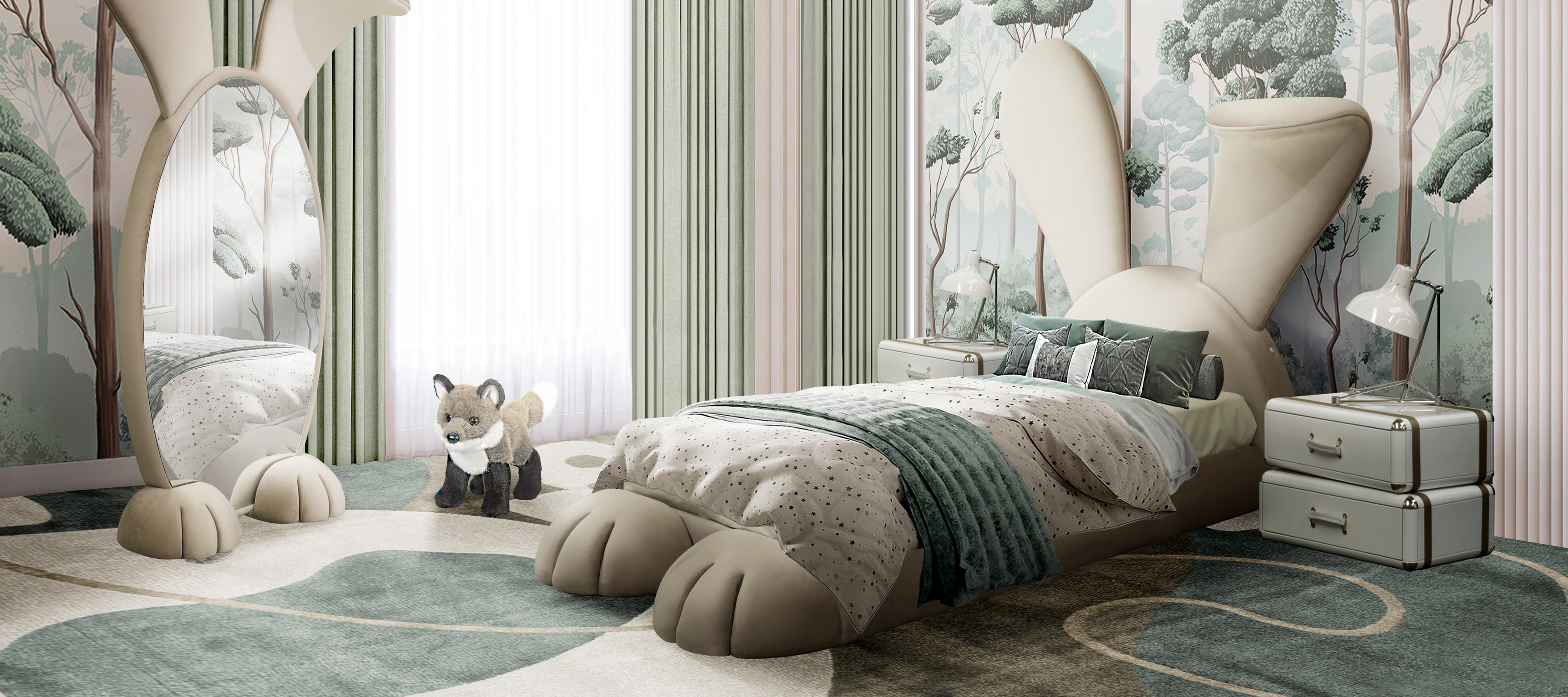
Rug’Society Rugs in Children’s Spaces
Rug’Society plays a complementary role in shaping children’s interiors by introducing texture, comfort, and visual layering. Within this category, rugs are no longer neutral backdrops but active design elements.
At Salone 2026, Rug’Society collections demonstrated:
- Playful patterns that stimulate imagination without compromising sophistication
- High-quality materials suited for durability and safety
- Versatility to integrate both themed and more neutral environments
Rugs function as grounding elements within more expressive furniture compositions, helping balance bold concepts with spatial coherence.
Other Brands Shaping the Category at Salone 2026
Beyond CIRCU, several exhibitors within the children’s furniture category reinforced the sector’s growing maturity and diversity.
Ferrimobili presented highly modular bedroom systems designed with flexibility in mind. Their approach focuses on practical layouts, integrated storage, and adaptable compositions—key elements for evolving children’s spaces.
Florence Art di Marini Bruno introduced a more artistic layer to interiors, emphasizing handcrafted decorative elements. While not exclusively dedicated to children’s furniture, their pieces contribute to creating personalized and visually rich environments.
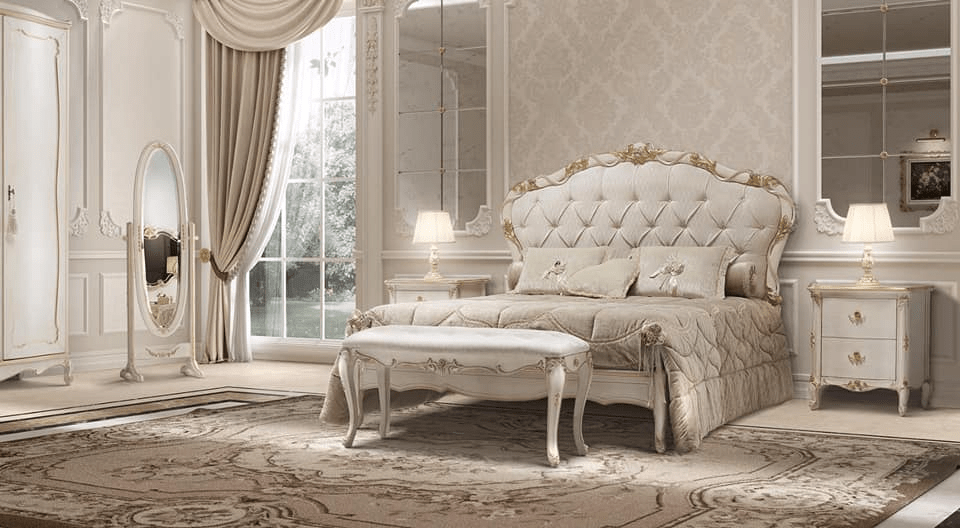
Lago continued to stand out with its architectural design language and modular systems. Its solutions can be easily adapted to younger users, ensuring continuity between children’s and adult spaces while maintaining a cohesive aesthetic.
Together, these brands highlight a clear evolution: children’s interiors are no longer isolated categories but part of a broader, integrated design ecosystem—where flexibility, identity, and longevity are essential parameters.
Design That Grows with the User
At Salone del Mobile 2026, adaptability emerged as a defining principle within children’s furniture design. The concept of “design that grows with the user” is becoming central to the development of children’s furniture, shaping how kids’ interiors are planned and executed in the luxury segment.
This approach to children’s furniture is reflected in:
- Modular children’s furniture systems that can be reconfigured as the child grows
- Neutral kids furniture design foundations that allow aesthetic updates over time
- Durable children’s furniture materials designed for long-term use
Rather than creating children’s furniture for a single life stage, brands are developing kids furniture solutions that transition seamlessly from childhood to adolescence. This evolution in children’s furniture design not only increases product longevity but also aligns with sustainability concerns and the growing demand for adaptable, future-proof children’s interiors.

Children’s furniture at Salone del Mobile 2026 demonstrated a clear progression toward maturity within the luxury design sector.